Understanding Migraine Treatment Options, Relief Strategies, and Massage Techniques
What Migraines Really Are and How This Guide Is Organized
Migraines are more than bad headaches; they can blur vision, upset the stomach, heighten sensitivity to light and sound, and quietly take hours or even days from work, family life, and sleep. Because attacks do not look the same for everyone, relief often comes from combining fast-acting care, preventive treatment, and practical tools such as trigger tracking and massage. This article explains the main options in a clear order so you can understand what may help during an attack, what might lower future risk, and when medical advice becomes especially important.
Globally, migraine affects around a billion people by many estimates, and it remains one of the leading causes of disability, especially in adults during their most productive years. A migraine attack may include throbbing pain on one or both sides of the head, nausea, vomiting, dizziness, sensitivity to movement, and in some cases aura, which can involve flashing lights, blind spots, tingling, or trouble finding words. That variety matters. Someone with occasional mild attacks may do well with simple acute treatment and lifestyle changes, while a person who loses several days each month may need prescription therapy, preventive medication, or specialist care.
Before moving into the details, here is the outline this article follows.
- How to calm a migraine attack and improve your environment in the moment
- How migraine treatment options compare, from over-the-counter choices to preventive therapies
- How massage may support relief, what techniques are commonly used, and where its limits are
- How long-term prevention works through sleep, food patterns, stress control, and careful tracking
- How to recognize warning signs that deserve prompt medical attention
It helps to think of migraine management like building a toolkit rather than chasing a single perfect answer. A dark, quiet room may help one day; a prescribed medicine taken early may work better the next; consistent sleep and hydration may reduce attacks over months rather than minutes. The aim is not to promise instant disappearance of symptoms, because migraine is a real neurological condition, not a simple inconvenience. Instead, the goal is to help readers make informed decisions, compare realistic options, and create a plan that fits the rhythm of their lives. If you have ever found yourself squinting at a bright screen, bargaining with the pounding behind your eyes, and wondering what actually helps, the next sections are built for exactly that moment.
How To Get Rid Of Migraines in the Moment: Relief Strategies That Often Help
When a migraine begins, timing matters. Many people find that treatment works better when used early, before pain and nausea fully build. That does not mean every attack can be stopped quickly, but it does mean small decisions made in the first hour can shape the rest of the day. The first priority is to reduce stimulation. Bright light, noise, intense smells, heavy exercise, and prolonged screen time can make symptoms feel sharper. A cool, dim, quiet room often helps because it lowers sensory load while your nervous system is already on high alert.
Practical relief steps are simple, but simple does not mean trivial. Common strategies include:
- drinking water if dehydration may be a factor
- using a cold pack on the forehead, temples, or back of the neck
- lying down in a dark room and limiting movement
- taking approved acute medication as early as possible
- having a light snack if you have missed a meal and nausea allows it
- using a small amount of caffeine if it usually helps you and does not trigger rebound symptoms
Over-the-counter medicines such as ibuprofen, naproxen, or acetaminophen can help some people, especially with milder attacks. However, frequent reliance on pain relievers can become part of the problem. Using acute medication too often may contribute to medication-overuse headache, sometimes called rebound headache. For that reason, people with frequent migraines should talk with a clinician about safe limits and whether prescription treatment makes more sense. If nausea is severe, a doctor may recommend anti-nausea medication alongside migraine-specific treatment.
It is also useful to know what probably will not help much during an active attack. Pushing through intense work, staying under fluorescent lights, scrolling a phone in bed, or skipping medicine until pain becomes severe often backfires. Migraine has a way of turning stubbornness into an extra hour of suffering. On the other hand, tracking patterns can reveal quick wins. Some people do better with stillness and silence; others benefit from a short nap; a few feel better after gentle stretching if neck tension is part of the picture.
Seek urgent medical care if a headache is suddenly explosive, follows a head injury, arrives with new weakness, confusion, fainting, fever, stiff neck, or a major change in vision or speech. Those symptoms can point to something more serious than a typical migraine. For established migraine, the short-term goal is to lessen pain, nausea, and sensory overload safely. That approach may not feel dramatic, but it is often the most reliable path out of the storm.
Migraine Treatment: Comparing Acute Medicines, Preventive Care, and Professional Support
Migraine treatment usually falls into two broad categories: acute treatment, which is taken during an attack, and preventive treatment, which is used to reduce how often attacks happen or how intense they become. The right balance depends on attack frequency, symptom severity, medical history, and how much migraine interferes with daily life. Someone with one or two manageable episodes a month may only need acute care. Someone with frequent or disabling attacks may benefit from prevention, especially if work, school, caregiving, or sleep is repeatedly affected.
Acute treatment options vary in strength and purpose. Over-the-counter pain relievers can help mild to moderate symptoms, but migraine-specific prescription medicines are often more effective for moderate to severe attacks. Triptans have been widely used for years and can work well when taken early, although they are not suitable for everyone, particularly people with certain cardiovascular conditions. Newer options such as gepants and ditans expand the menu for patients who cannot use triptans or do not respond well to them. A clinician may also prescribe anti-nausea medication, nasal sprays, or injectable medicines when vomiting or rapid escalation makes tablets less practical.
Preventive treatment is worth discussing if migraines happen often, last a long time, or remain disabling despite acute therapy. Common preventive options include:
- beta blockers, often used when blood pressure or heart rate considerations also matter
- certain anti-seizure medicines, which can reduce migraine frequency for some patients
- some antidepressants, especially when sleep or mood symptoms overlap
- CGRP-targeting medicines, including monthly or quarterly injections for selected patients
- botulinum toxin injections for chronic migraine, usually defined as headache on 15 or more days each month with migraine features on many of those days
No treatment is perfect for everyone, and that is where comparison becomes useful. Older preventive drugs may be less expensive and more familiar, but side effects can limit adherence. Newer targeted treatments may offer convenience or better tolerability for some people, though access and cost can be obstacles. Non-drug approaches also matter. Behavioral therapy, stress management, regular sleep timing, exercise, and trigger review are not weak substitutes for “real” treatment; they are part of evidence-based care and often improve the results of medication.
A good migraine appointment usually includes a symptom history, a discussion of aura or neurological symptoms, a review of current medicines, and a look at patterns across the month. Keeping a diary can turn vague frustration into useful data. If your notes show eight migraine days a month, repeated menstrual timing, or attacks linked to night-shift work, the treatment conversation becomes more precise. Migraine care works best when it is tailored, realistic, and reviewed over time rather than judged after one difficult week.
Migraine Massage: What It Can Do, What It Cannot Do, and How to Use It Safely
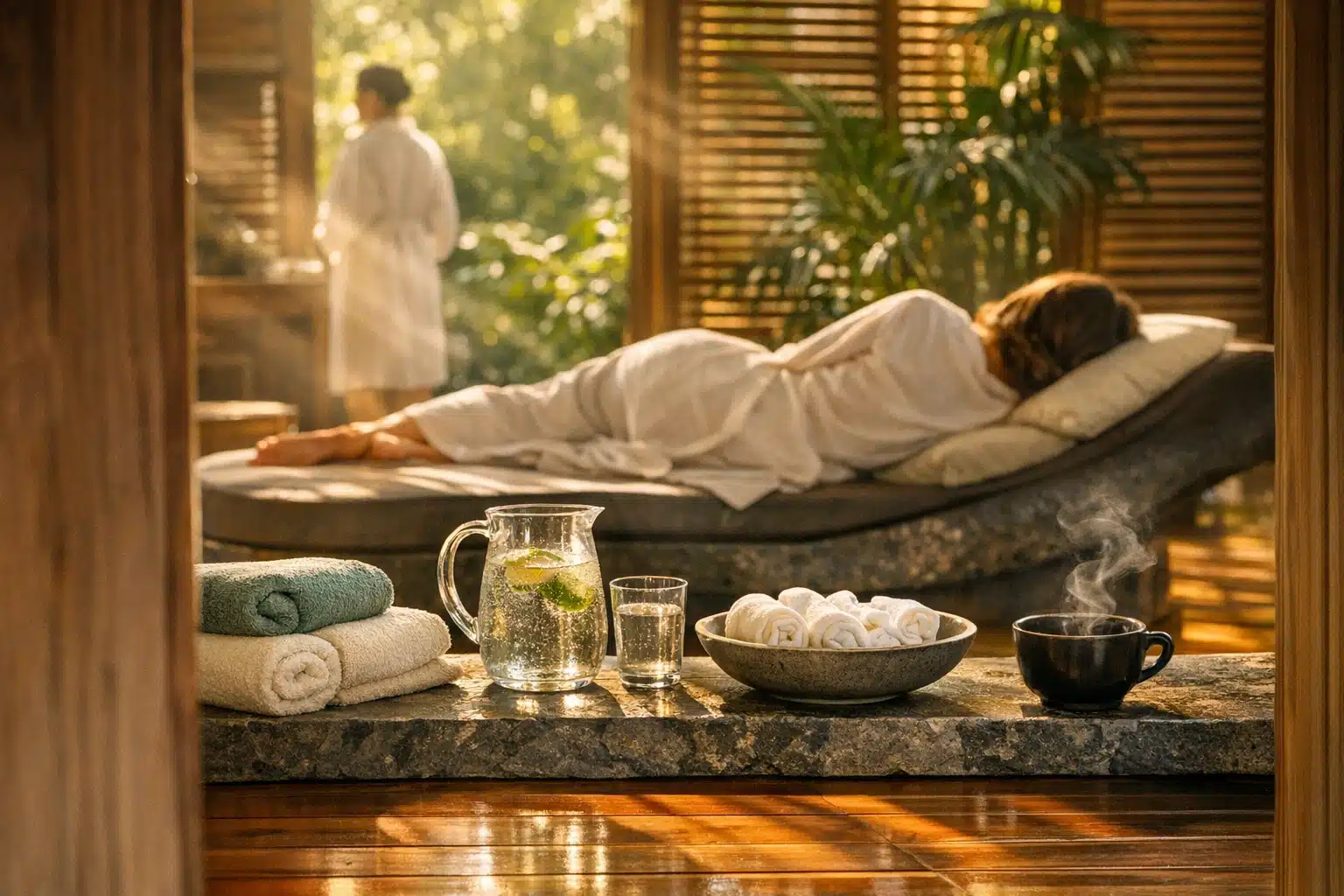
Migraine massage sits in an interesting middle ground. For some people it is a valuable support tool that reduces stress, neck tightness, and muscle tenderness that can feed into an attack. For others it feels pleasant but does little to change the neurological core of migraine. Both experiences can be true. Massage is not a cure for migraine, and it should not replace medical evaluation when symptoms are severe, changing, or frequent. Still, it may have a practical place, especially when neck and shoulder tension show up before or during attacks.
Part of the confusion comes from the fact that not every migraine-related headache feels the same. Tension in the upper trapezius, jaw, scalp, and base of the skull can amplify discomfort, making the whole head feel louder. In those cases, careful massage may lower muscular input and help the body shift down from a stress response. Some people also find that massage improves sleep, and better sleep can reduce migraine risk over time. Evidence for massage in migraine is not as strong as it is for established drug therapies, but small studies and patient experience suggest it may help some individuals as part of a broader plan.
Common massage approaches include:
- gentle scalp and temple massage with light circular pressure
- neck and shoulder work to reduce tension around the base of the skull
- trigger-point work for tight bands in the upper back, though it should be used carefully
- acupressure-style techniques, such as pressing points in the hand or near the skull base
- self-massage with fingertips, a massage ball against the wall, or a warm shower on the shoulders
If you want to try self-massage during or between attacks, start lightly. Pressing too hard can make an already sensitive system feel worse. Begin at the temples, the jaw hinge, the back of the neck, and the shoulders. Breathe slowly, keep the room dim, and stop if pressure increases pain, dizziness, or nausea. During a severe migraine, feather-light touch or a cold compress may be better tolerated than deep tissue work. Strong scents from oils or candles can trigger symptoms in some people, so unscented products are usually the safer choice.
There are also times to skip massage and get medical advice instead. Sudden new headache, recent trauma, unexplained fever, major neurological symptoms, or neck pain after injury are not do-it-yourself situations. Even with ordinary migraine, a massage therapist should know about aura, medication use, and any cervical spine issues before treatment begins. Think of massage as a supporting actor rather than the entire cast. In the right role, it can soften the edges of an attack and improve recovery. It simply works best when paired with good timing, realistic expectations, and an overall migraine plan.
Building a Long-Term Plan: Prevention Habits, Trigger Control, and a Practical Conclusion
The most effective way to “get rid of migraines” for many people is not eliminating every attack forever, but reducing how often attacks happen, shortening how long they last, and making them less disruptive. That usually requires a long-term plan. Migraine prevention often begins with pattern recognition. A diary can track sleep, meals, hydration, stress, weather changes, hormones, exercise, and medication use. Over a few weeks, scattered misery starts to form a picture. Maybe the real problem is not chocolate, which often gets blamed, but skipped lunch, three nights of poor sleep, and an early-morning meeting under bright office lights.
Daily habits matter because the migraine brain tends to dislike extremes. Irregular sleep, heavy weekend catch-up sleep, dehydration, long gaps between meals, and abrupt caffeine swings can all lower the threshold for an attack in some people. A steadier routine often helps more than dramatic health resets. Useful prevention habits include:
- keeping sleep and wake times reasonably consistent
- eating regular meals and carrying a simple backup snack
- drinking enough fluids across the day
- building gentle, regular exercise rather than occasional intense bursts
- using screen breaks, glare reduction, and posture changes when desk work is heavy
- learning stress tools such as paced breathing, mindfulness, or cognitive behavioral strategies
Trigger management should be practical, not paranoid. Trying to avoid every possible trigger can make life smaller and more stressful, which defeats the purpose. Instead, focus on repeated patterns with a clear connection. If red wine leads to symptoms three out of four times, that is useful. If weather changes seem involved, you cannot control the sky, but you can prepare by prioritizing hydration, sleep, and early treatment. For people with frequent migraine, preventive medication or specialist care may be the missing piece that lifestyle changes alone cannot provide.
One final point matters for readers who are tired of experimenting: progress is often measured in percentages, not miracles. Fewer migraine days, less nausea, a faster return to work, or a reduced need for rescue medicine are meaningful wins. That is how sustainable migraine care usually looks in real life.
Conclusion for Readers Looking for Steadier Days
If migraines keep barging into your schedule, the smartest approach is to combine immediate relief tools, appropriate medical treatment, and a prevention routine you can actually maintain. Massage may ease tension and improve comfort for some people, but it works best as one part of a bigger strategy rather than a standalone answer. Acute medication taken early, realistic trigger tracking, reliable sleep, hydration, and professional guidance when attacks are frequent can make a major difference over time. The goal is not perfection; it is building a calmer, more predictable life with fewer days ruled by pain.