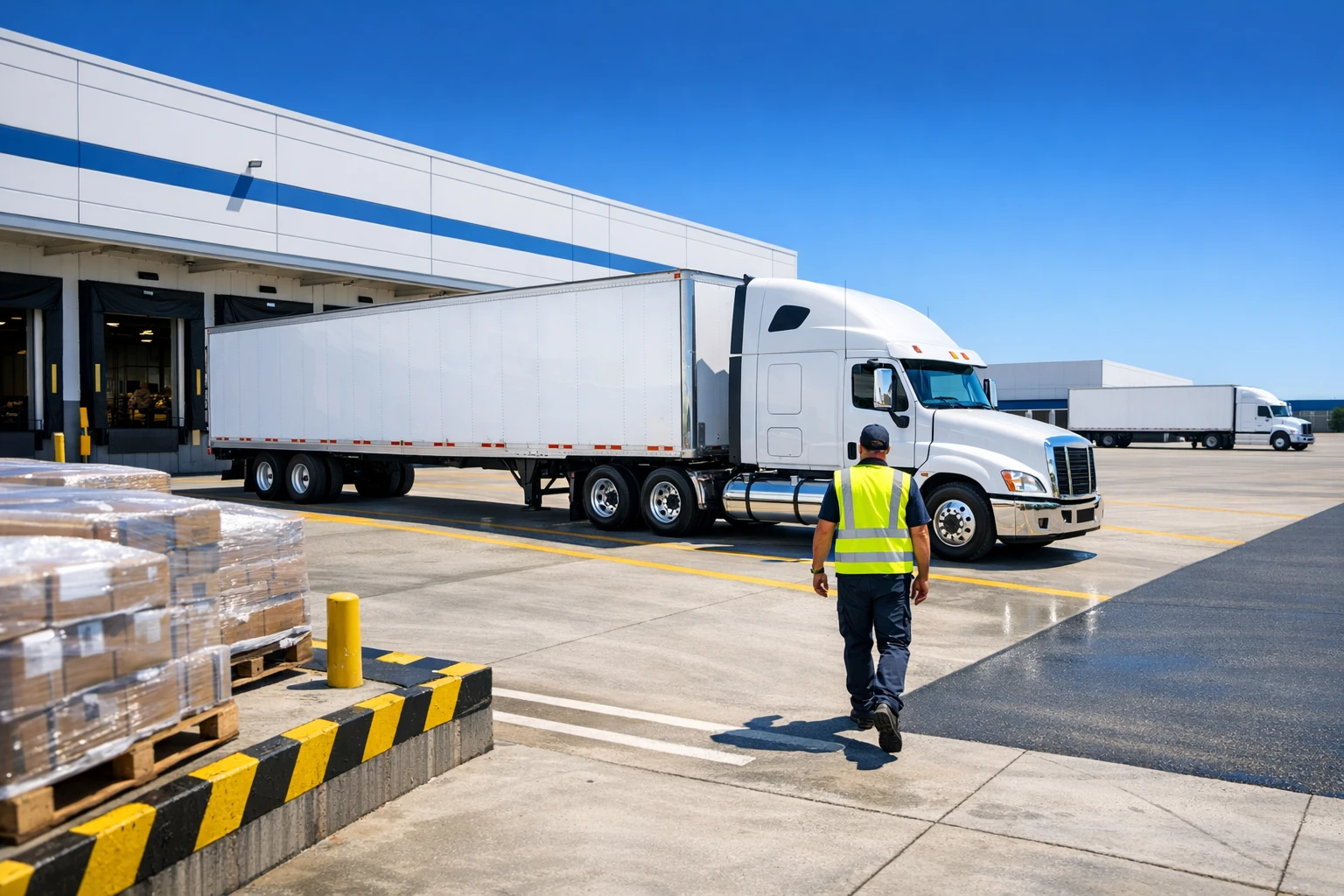
Truck Driver Career Guide: Skills, Training, and Daily Work
A truck driver does far more than steer a heavy vehicle from one city to another. The job links farms, factories, ports, warehouses, and stores, turning complex supply chains into something people can actually depend on. Whether the load is food, fuel, medicine, or machinery, skilled drivers keep commerce moving while handling tight schedules, safety rules, and unpredictable roads. That blend of responsibility, discipline, and independence makes truck driving one of the most vital careers in transport.
Article Outline
- The economic role of truck drivers and why the profession matters.
- The skills, habits, and mindset that separate a capable driver from an unsafe one.
- Training, licensing, endorsements, and practical steps for entering the field.
- What daily work looks like, from inspections and route planning to rest rules and technology.
- Pay, career paths, industry challenges, and a practical conclusion for aspiring and current drivers.
1. Why Truck Drivers Matter in the Modern Economy
Truck drivers sit at the center of everyday life, even when the public barely notices them. A grocery shelf stocked with fresh milk, a construction site waiting on steel beams, a hospital receiving medical supplies, and a factory depending on replacement parts all have one thing in common: at some point, a truck carried the load. In many economies, road freight handles a major share of goods movement for part or all of the journey. Even when cargo begins by rail, air, or sea, the final stretch often still belongs to a truck. That “last mile” or “middle mile” role gives truck driving its unusual importance. It is not just one transport option among many; it is often the link that makes the rest of the system usable.
The work also has a strong multiplier effect. When freight arrives late, the problem rarely stays small. Stores miss sales, manufacturers lose production time, and customers start to feel the delay without knowing its cause. For that reason, the profession influences inflation, inventory planning, and customer service in ways that go beyond the driver’s cab. During periods of supply chain stress, the value of dependable trucking becomes even more visible. A single driver may be hauling raw materials one day and time-sensitive retail products the next, yet both trips support larger networks of jobs and services.
Truck driving matters socially as well as economically. The role supports regional mobility, gives many people access to stable work without requiring a four-year degree, and creates a pathway into logistics management, dispatching, fleet operations, and safety training. For rural communities in particular, trucking often connects local producers with national markets. A driver leaving before sunrise with a full trailer can quietly carry the output of an entire town toward ports, processors, or distribution centers.
There is also a public safety dimension. Professional drivers operate large vehicles in busy traffic, poor weather, construction zones, and urban loading areas. Their decisions affect not only freight schedules but the safety of everyone nearby. That is why the profession deserves to be understood as skilled labor rather than simple driving. The truck may be big and the road may look open, but the job is really about judgment, timing, accountability, and control.
2. Core Skills, Personal Qualities, and Professional Habits
People who are new to the industry sometimes assume truck driving is mostly about confidence behind the wheel. Confidence matters, but by itself it is not enough. Strong drivers combine technical ability with patience, planning, and emotional steadiness. They must judge stopping distance, lane position, turning radius, trailer swing, blind spots, and weight distribution while staying calm in traffic that can change by the second. A driver hauling 80,000 pounds cannot react like someone in a small car. Good habits must become automatic, because hesitation and overcorrection can create real danger.
Situational awareness is one of the most valuable skills in the profession. Drivers constantly read mirrors, road signs, bridge heights, speed changes, weather patterns, and surrounding traffic behavior. They also need mechanical awareness. A truck often gives early hints before a serious issue develops, whether through brake feel, tire vibration, dashboard warnings, air pressure behavior, or unusual sounds. Spotting trouble early can prevent a roadside breakdown, a missed delivery, or a safety incident. In that sense, a capable truck driver is part operator, part risk manager, and part field problem-solver.
Several professional habits repeatedly show up in successful drivers:
- Completing inspections carefully instead of treating them as a formality.
- Managing time with enough cushion for traffic, weather, loading delays, and rest breaks.
- Communicating clearly with dispatchers, shippers, receivers, and maintenance staff.
- Securing cargo correctly and rechecking it when conditions change.
- Staying patient under pressure rather than forcing unsafe moves to save a few minutes.
Soft skills matter more than outsiders often expect. A driver may deal with warehouse staff, customers, law enforcement, mechanics, and planners in the same week. Clear communication helps prevent small mistakes from growing into expensive ones. So does professionalism. Showing up prepared, documenting problems accurately, and staying composed when delays pile up can protect both reputation and income.
Then there is the mental side of the job. Long hours alone, changing sleep patterns, bad weather, and time away from home can wear on even experienced people. Drivers who thrive tend to build routines: regular meal planning, exercise when possible, consistent checklists, and realistic expectations about the day. The road can feel wide and cinematic from a distance, but in daily life it rewards method more than romance. The drivers who last are usually the ones who respect the work enough to stay disciplined.
3. Training, Licensing, and How to Enter the Field
Becoming a truck driver usually starts with understanding the legal and practical requirements in your country or region. In the United States, for example, most heavy commercial driving jobs require a Commercial Driver’s License, commonly called a CDL. Different classes and endorsements apply to different vehicle types and cargo. A new driver may need extra qualifications for tankers, double or triple trailers, hazardous materials, passenger transport, or school buses. Other countries use different licensing systems, but the general principle is similar: heavier vehicles and more sensitive cargo require more training and more regulatory compliance.
Formal training is strongly recommended, and in many cases effectively essential. A reputable truck driving school teaches more than basic vehicle control. It covers pre-trip inspection routines, air brake systems, backing maneuvers, coupling and uncoupling, hours-of-service rules, defensive driving, cargo securement, map and route reading, and logbook or electronic logging procedures. Good programs also introduce the realities of the job, including fatigue management, dock etiquette, weigh stations, and the business side of freight movement. That kind of preparation matters because passing a road test is not the same as being ready for real work.
A typical entry path may include:
- Meeting age, medical, and legal eligibility requirements.
- Studying for the written knowledge exam and permit.
- Completing a certified training program with classroom and range instruction.
- Practicing on-road driving with an instructor.
- Passing the skills test for the appropriate license class.
- Applying for endorsements based on the type of freight or route you want.
New drivers should also compare employers carefully. Some companies offer paid training or tuition reimbursement, while others expect applicants to arrive fully licensed. Contract-based training can reduce up-front costs, but it is worth reading the terms in detail. A lower initial bill may come with a work commitment, mileage requirement, or early-exit penalty. This is where patience pays off. Choosing a training path is not just about speed; it is about fit, mentoring quality, equipment condition, and the kind of freight you want to haul.
There is no single perfect entry route. Some people start in long-haul operations, others begin locally, and some enter through military experience, vocational schools, or family-owned businesses. What matters most is that the first phase builds safe habits instead of shortcuts. Truck driving is one of those fields where early instruction lingers for years. Learn it well at the beginning, and the road ahead becomes far more manageable.
4. Daily Work: Schedules, Safety, Technology, and Life on the Road
A truck driver’s day begins long before the wheels turn. The work usually starts with a pre-trip inspection: checking tires, lights, brakes, fluid levels, coupling systems, mirrors, load security, and documentation. That routine may feel repetitive, but it is one of the profession’s most important safety barriers. After that comes route planning. Drivers need to think about weather, traffic windows, low bridges, fuel stops, restricted roads, and appointment times at shippers or receivers. The trip might look simple on paper, yet one construction delay or paperwork issue can change the whole schedule.
Once on the road, the job becomes a constant balancing act between progress and caution. Drivers manage speed, following distance, lane choices, fuel use, and compliance with rest regulations. Electronic logging devices, GPS systems, dash displays, and dispatch software now shape much of the workday. Technology has improved visibility and recordkeeping, but it has also increased monitoring and reduced the amount of informal flexibility drivers once had. A modern cab can feel part office, part cockpit, part break room. It may include navigation tools, telematics, communication devices, cameras, and sensors that track behavior and vehicle performance.
Common daily responsibilities often include:
- Reviewing delivery instructions and confirming appointment details.
- Inspecting cargo securement after loading and at required intervals.
- Documenting mileage, fuel, delays, and maintenance concerns.
- Communicating arrival times or exceptions to dispatch and customers.
- Adjusting to weather, detours, traffic congestion, or waiting time at docks.
The human side of the routine matters just as much. Long-haul drivers may sleep in the cab, eat on the move, and spend nights parked at truck stops or company terminals. Local drivers may be home more often but face intense stop-and-go schedules, city traffic, and physically demanding unloading work. Neither version is automatically easier; they simply stress different parts of a person’s life. One offers distance and solitude, the other often demands relentless pace and tighter delivery windows.
There can be striking moments of beauty in the work: dawn breaking over a mountain pass, empty roads before a city wakes up, the quiet satisfaction of backing into a difficult dock on the first try. Yet the job also includes waiting, paperwork, bad coffee, missed exits, strict time slots, and days when rain turns every task into a nuisance. That contrast is part of truck driving’s character. It is not a permanent road movie. It is real work, shaped by discipline, detail, and endurance.
5. Pay, Career Paths, Industry Challenges, and Conclusion for Drivers Considering the Road
Pay in truck driving varies widely, which is why broad promises about “easy money” should be treated with caution. Earnings depend on experience, route type, cargo, employer, region, endorsements, safety record, and whether pay is calculated by mile, hour, percentage of load revenue, or salary. Local jobs may offer steadier schedules but not always the highest annual totals. Long-haul roles can increase gross income through mileage, yet time away from home may be the trade-off. Specialized freight such as oversized loads, tanker work, or hazardous materials can pay more because it demands greater skill, tighter compliance, or higher risk tolerance.
The career ladder in trucking is more varied than many people expect. A driver might begin in dry van freight, move into refrigerated loads, then later choose flatbed work, heavy haul, fuel delivery, private fleet driving, or owner-operator business. Others shift off the road into dispatching, fleet supervision, driver training, recruiting, compliance, or safety management. That flexibility is one reason the field remains appealing. The cab may be the starting point, but it is not always the final destination.
At the same time, the profession has real challenges that deserve honest attention:
- Fatigue and irregular sleep if schedules are poorly managed.
- Time away from family, especially in over-the-road operations.
- Pressure created by detention time, traffic, and strict delivery appointments.
- Rising operational costs for fuel, insurance, and maintenance.
- Public misunderstanding of the job’s complexity and skill requirements.
Technology and regulation will continue to reshape truck driving. Advanced safety systems, route optimization, automation features, and cleaner powertrains are changing equipment and expectations. Still, fully replacing the judgment of a trained human driver remains far more difficult than headlines sometimes imply. Freight moves through messy real-world conditions: crowded docks, damaged roads, snow, shifting cargo, complicated customer instructions, and unpredictable motorists. Human decision-making still carries the industry through those details.
For aspiring drivers, the practical takeaway is simple. Enter the field with open eyes, not fantasies. Choose training carefully, protect your safety record, learn from experienced mentors, and think about the type of trucking lifestyle that fits your priorities. For current drivers, the message is equally direct: your work is foundational, your skill has economic value, and your professionalism keeps far more than freight in motion. Behind every routine delivery is a chain of trust, and truck drivers are the people who hold that chain together.