A Practical Guide to Rugs and Carpets for Every Room
Rugs and carpets do far more than soften a floor; they shape comfort, warmth, acoustics, and the mood of a room in one quiet move. Whether you are furnishing a first apartment or refreshing a family home, knowing the difference between wall-to-wall carpet and movable rugs helps you buy with less guesswork. Material, pile, size, and placement all affect durability and daily upkeep. This guide turns those details into clear, practical choices you can use with confidence.
Outline: - What rugs and carpets are, and how they differ in use and installation - Fibers, backing, pile, and construction methods that influence performance - Room-by-room guidance for living rooms, bedrooms, dining areas, hallways, and workspaces - Design decisions involving color, pattern, proportion, and layering - Maintenance, budgeting, lifespan, and buying tips for practical households
Understanding Rugs and Carpets: Terms, Uses, and Everyday Value
The words rug and carpet are often used as if they mean the same thing, yet in home design they usually describe two different approaches to covering a floor. A carpet commonly refers to wall-to-wall flooring that is installed and fixed in place, often over an underlay or pad. A rug is a movable textile floor covering, usually placed on top of hardwood, tile, laminate, vinyl, or even carpet. In casual speech, people may call any decorative floor covering a carpet, but in practical buying terms the distinction matters. Installation, maintenance, replacement cost, and room flexibility all change depending on which option you choose.
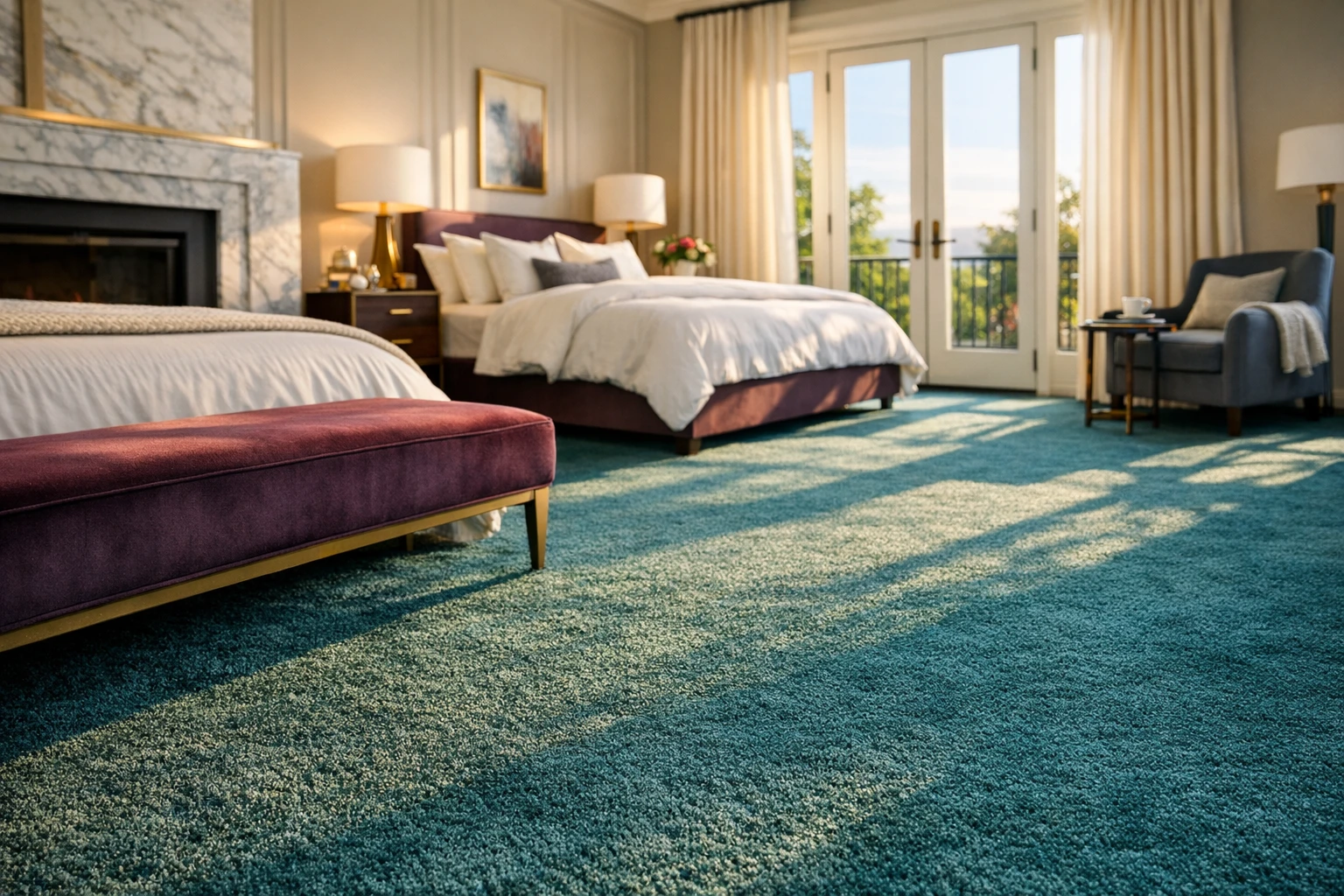
Wall-to-wall carpet is valued for comfort and continuity. It creates a unified surface, reduces the feeling of cold underfoot, and can help soften sound in bedrooms, upstairs rooms, and media spaces. In family homes, carpet is often chosen because it makes rooms feel calmer and less echo-prone. Rugs serve a different but equally useful role. They define zones inside a room, add texture and color without major renovation, and can be swapped out when tastes or seasons change. A rug can turn an ordinary seating arrangement into a complete living area in a single afternoon, which is part of its enduring appeal.
Key distinctions are worth keeping in mind: - Carpet is installed and usually measured wall to wall. - Rugs are movable and measured by individual size. - Carpet often creates a more seamless look. - Rugs offer more freedom for layering, rotation, and replacement.
There is also a cost-and-longevity difference. Broadloom carpet may cost less per square foot than a premium handmade rug, but professional installation, underlay, and future replacement should be included in the total picture. Rugs vary wildly, from affordable machine-made options to heirloom pieces that can last for decades with proper care. For renters, rugs are often the simpler choice because they travel with you. For households wanting softness across an entire room, carpet may be the more practical answer.
In short, rugs and carpets are not rivals so much as tools with different strengths. One creates a permanent fabric foundation under the room; the other acts like a flexible layer of style and comfort. Once that difference is clear, every later choice becomes easier.
Materials and Construction: What Performance Really Depends On
If appearance is what first draws the eye, material and construction are what determine whether a rug or carpet still looks good years later. Fiber choice affects softness, stain resistance, fade behavior, resilience, and price. Construction affects texture, durability, and how a floor covering feels when walked on every day. For buyers, this is the point where decoration becomes engineering.
Among natural fibers, wool remains one of the most respected options. It is resilient, naturally insulating, and often recovers well from foot traffic. Wool rugs and carpets can feel rich and springy, and they usually age gracefully when maintained well. Cotton is softer and often more affordable, making it common in casual rugs, though it is generally less resilient under heavy wear. Jute and sisal provide earthy texture and a grounded, organic look, but their coarse feel and sensitivity to moisture make them better suited to lower-spill spaces. Silk appears mostly in decorative or luxury pieces, prized for sheen rather than rugged everyday use.
Synthetic fibers dominate much of the mainstream market because they solve practical problems. Nylon is known for strength and resilience, which is why it is common in high-traffic carpet. Polyester offers strong color clarity and can feel pleasantly soft, while polypropylene is valued for moisture resistance and budget-friendly performance. No fiber is perfect in every category, which is why room use should guide the decision.
Construction matters just as much: - Hand-knotted rugs are labor-intensive and often long-lasting. - Hand-tufted rugs can look luxurious at a lower price point. - Machine-made rugs provide consistency and broad affordability. - Cut pile carpet feels plush, while loop pile handles traffic well. - Dense pile and tighter twist generally improve wear performance.
Backing and pad should not be overlooked. A good rug pad improves grip, adds cushioning, and can reduce wear caused by friction. Carpet underlay affects how soft or firm the whole floor feels, and it can influence insulation and sound absorption as well. Think of it as the unseen half of comfort.
When comparing products, avoid judging only by color or thickness. A very thick carpet may feel inviting in a showroom but flatten quickly if the fiber quality is poor. Likewise, a low-pile rug may last beautifully in a hallway because it is made for traffic. The smartest purchase is not the softest one in five seconds; it is the one whose fiber, weave, and density match the life of the room.
Choosing the Right Option for Every Room
A living room asks different things of a floor covering than a hallway, and a dining space has little patience for the same textures that make a bedroom cozy. Room-by-room planning prevents costly mistakes. It also helps you avoid a common problem: buying something attractive that simply does not suit the traffic, furniture, or cleaning demands of the space.
In living rooms, area rugs are often the most versatile solution. They help anchor seating and visually connect the sofa, coffee table, and chairs into one coherent arrangement. A frequent design guideline is to let at least the front legs of major furniture sit on the rug, while larger rooms often look best with all key pieces resting on it. If the rug is too small, the room can feel disconnected, almost as if the furniture is floating around it rather than gathering on it. Wall-to-wall carpet can also work well here when comfort and noise reduction are priorities, especially in homes with children who play on the floor.
Bedrooms usually reward softness. Wall-to-wall carpet remains popular because it creates warmth from edge to edge, especially on cold mornings. If the room already has hard flooring, a large rug placed under the bed can deliver much of the same comfort without permanent installation. A useful rule is to allow the rug to extend around 18 to 24 inches beyond the bed on the sides and foot, so bare feet land on something soft rather than directly on the floor.
Dining rooms are more demanding than they look. Rugs here need enough extra width for chairs to slide out while remaining on the rug. Around 24 inches beyond the table edge is a practical target in many cases. Low-pile or flatweave rugs tend to perform better because they are easier to clean and keep chairs moving smoothly.
For hallways, entryways, and stairs, durability matters more than plushness: - Choose low pile or tightly woven construction. - Favor darker tones, patterns, or flecked surfaces that disguise soil. - Use proper rug pads or runners with secure grip. - Avoid delicate fibers in mud-prone entry points.
Home offices benefit from a thoughtful balance. Carpet can soften sound during calls and make a workspace feel settled, but chair wheels may perform better on a low-pile surface or hard flooring with a suitable rug. In homes with pets or young children, stain resistance and ease of cleaning become decisive. The best floor covering is not the one that wins the showroom spotlight; it is the one that still looks sensible after ordinary life walks across it every day.
Style, Color, Pattern, and Layering Without Guesswork
Once practical needs are settled, design begins to do its quieter work. Rugs and carpets are not only surfaces; they are visual temperature controls. A pale wool rug can lift a dim room, a patterned runner can energize a plain corridor, and a deep-toned carpet can make a large room feel more intimate. The best styling decisions usually come from proportion and balance rather than chasing trends too quickly.
Color is often the first big choice. Light tones can make a room feel open and airy, though they may reveal spills or dust more easily in active households. Darker tones create depth and can be forgiving in traffic-heavy spaces, yet they may show lint or pet hair depending on fiber and finish. Mid-tones and mixed patterns often offer the easiest day-to-day living. If walls, curtains, and upholstery are already busy, a simpler rug usually gives the eye somewhere to rest. If the room feels plain, pattern can act like punctuation and bring the space to life.
Scale matters more than many buyers expect. A small pattern can disappear in a large room, while an oversized motif may overwhelm a compact one. The same principle applies to pile and texture. Plush carpet tends to feel relaxed and cozy, while flatwoven rugs feel crisp, tailored, and architectural. Texture can also substitute for pattern when you want interest without visual noise.
Helpful style principles include: - Match the rug size to the furniture layout, not just the empty floor. - Repeat one or two colors from artwork, cushions, or curtains for cohesion. - Use pattern thoughtfully when the rest of the room is understated. - Consider texture as a design element, not merely a comfort feature.
Layering has become especially popular because it adds depth without demanding a full redesign. A neutral jute base rug topped with a smaller patterned wool rug can create a collected, lived-in look. The key is contrast: smooth with textured, quiet with bold, large with small. Still, layering should remain practical. Doors must clear, edges must lie flat, and the room should not feel crowded by decoration trying too hard to perform.
In a well-composed room, the rug or carpet does not shout for attention all the time. Instead, it does something more impressive. It supports the furniture, moderates the mood, and quietly convinces the room to make sense. That is design doing its job well.
Caring for Rugs and Carpets and Making the Right Final Choice
Even an excellent rug or carpet will not stay attractive by luck alone. Dust, grit, moisture, sunlight, and repeated foot traffic slowly wear down fibers, and neglect usually shows long before true age does. The good news is that routine maintenance is less dramatic than many people imagine. Small habits, done consistently, extend appearance and service life far better than occasional rescue efforts.
Vacuuming is the basic foundation. High-traffic areas often benefit from vacuuming two or three times a week, while lower-traffic rooms may need it less often. The main goal is removing abrasive dirt before it settles into the pile. Spill response matters too. Blotting is better than scrubbing, because aggressive rubbing can spread stains and distort fibers. For rugs, rotation every six to twelve months can help distribute wear and sun exposure more evenly, especially in rooms where one path receives constant footfall. Professional cleaning is commonly recommended at intervals based on traffic, fiber, and household conditions.
Smart upkeep includes: - Use a quality rug pad to reduce slipping and friction. - Keep entry mats at doors to catch dirt early. - Address spills quickly and test cleaning products first. - Protect surfaces from direct, prolonged sunlight when possible. - Check manufacturer guidance before using strong stain treatments.
Budgeting should also be handled with a long view. The purchase price is only part of the cost. Rugs may need pads, possible cleaning, and occasional repair or rebinding. Carpet often includes underlay, installation, moving furniture, and eventual replacement across a whole room rather than in one portable piece. A cheaper product that mats quickly or stains easily can become more expensive than a better one that lasts. For many households, the best value sits in the middle: good-quality material, appropriate construction, and a size that truly suits the room.
When it is time to choose, think about your real home rather than an idealized version of it. If you have pets, children, frequent guests, or muddy entryways, favor resilience over delicacy. If you move often, rugs provide flexibility. If you want quiet, warmth, and a fully cushioned floor, carpet may suit you better. The right decision is the one that supports how you actually live.
For homeowners, renters, new decorators, and practical shoppers alike, rugs and carpets are not minor finishing touches. They influence comfort, maintenance, acoustics, style, and even how a room is used from morning to night. Choose with the room, the household, and the long term in mind, and your floor covering will do more than decorate the space. It will help the space work.