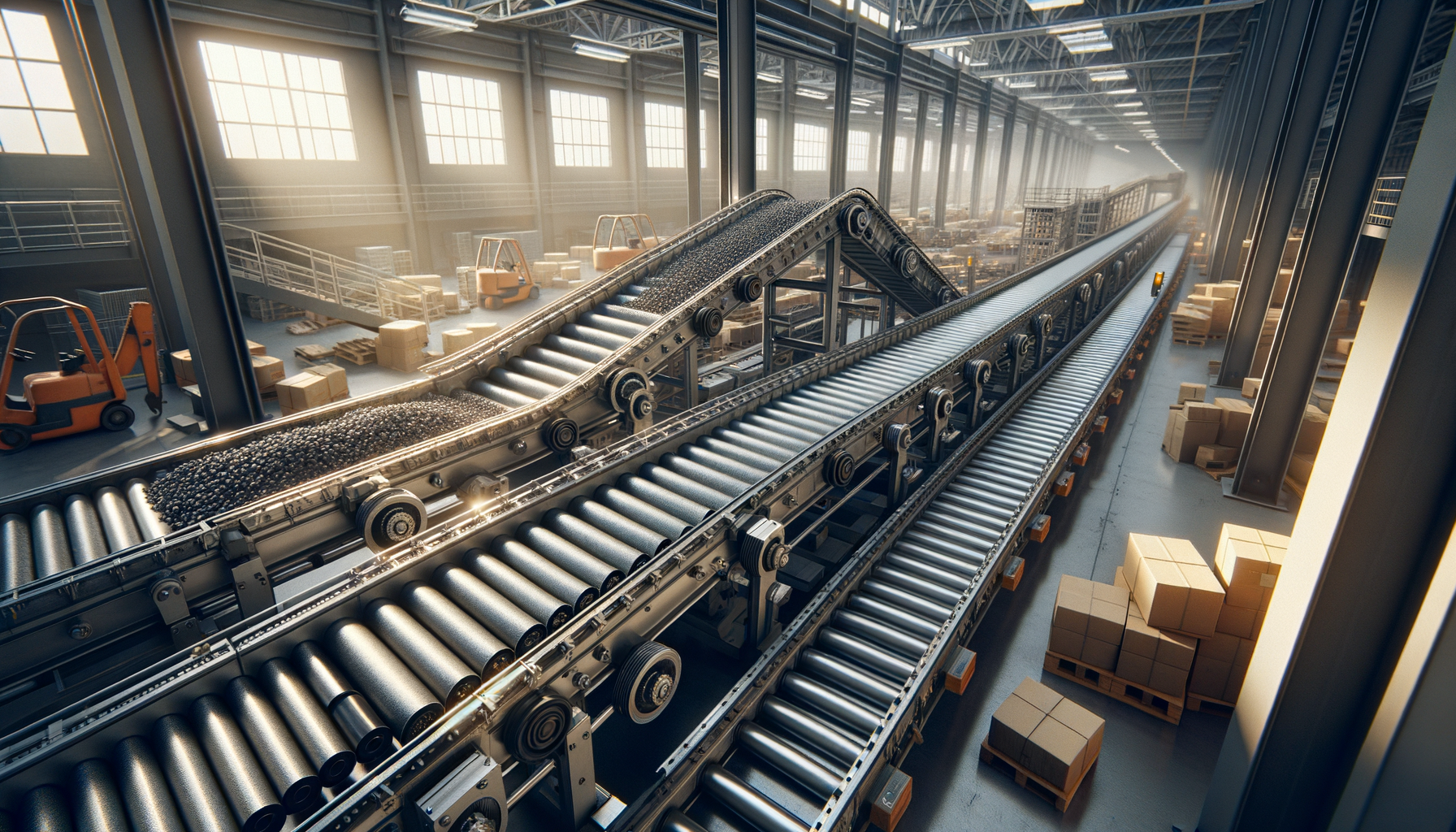
Discover Conveyor Systems for Efficient Workflow Solutions
Introduction to Conveyor Systems
In today's fast-paced industrial landscape, conveyor systems have become an integral component of efficient workflow solutions. These systems are designed to transport materials swiftly and seamlessly across various stages of production, distribution, and beyond. Conveyor systems not only enhance productivity but also reduce manual labor and associated costs. They are widely used in manufacturing, warehousing, food processing, and numerous other sectors, making them indispensable for modern businesses seeking to optimize operations.
Types of Conveyor Systems
Conveyor systems come in various types, each tailored to specific needs and applications. Among the most common are belt conveyors, roller conveyors, and chain conveyors. Belt conveyors are known for their versatility and are often used to move products of different shapes and sizes. Roller conveyors, on the other hand, are ideal for handling heavy items and are frequently found in warehouses and distribution centers. Chain conveyors are particularly useful for transporting items on pallets or in containers, providing stability and precision.
Additional types include screw conveyors, which are used for moving bulk materials like grains and powders, and pneumatic conveyors, which transport materials through enclosed pipelines using air pressure. Each type of conveyor system has its unique advantages, making it essential for businesses to carefully consider their specific needs when selecting a system.
Advantages of Implementing Conveyor Systems
The implementation of conveyor systems offers numerous advantages that significantly enhance operational efficiency. Firstly, they automate material handling, reducing the need for manual intervention and minimizing human error. This automation leads to increased speed and consistency in production processes. Secondly, conveyor systems improve workplace safety by reducing the need for workers to manually lift and move heavy items, thereby decreasing the risk of injuries.
Moreover, conveyor systems are highly customizable, allowing businesses to tailor them to specific requirements. They can be integrated with other automated systems, such as robotic arms and sorting machines, to create a seamless and efficient workflow. This adaptability not only streamlines operations but also allows for scalability as business needs evolve.
Challenges and Considerations
Despite their numerous benefits, implementing conveyor systems is not without challenges. One of the primary considerations is the initial cost of installation, which can be substantial depending on the complexity and scale of the system. Businesses must weigh these costs against the long-term savings and efficiency gains that conveyor systems provide.
Another challenge is the maintenance of conveyor systems. Regular maintenance is crucial to prevent breakdowns and ensure optimal performance. This requires dedicated resources and expertise, which can be a consideration for smaller businesses. Additionally, businesses must consider the layout and space requirements of conveyor systems to ensure they fit seamlessly into existing operations without disrupting workflow.
Future Trends in Conveyor Systems
As technology continues to advance, conveyor systems are evolving to become even more efficient and versatile. One of the emerging trends is the integration of smart technology and IoT (Internet of Things) capabilities. These advancements allow for real-time monitoring and data collection, enabling businesses to optimize their operations and predict maintenance needs proactively.
Furthermore, there is a growing emphasis on sustainability, with conveyor systems being designed to reduce energy consumption and minimize environmental impact. Innovations such as energy-efficient motors and the use of recyclable materials are becoming more prevalent. As industries continue to prioritize sustainability, conveyor systems will play a crucial role in helping businesses meet their environmental goals.