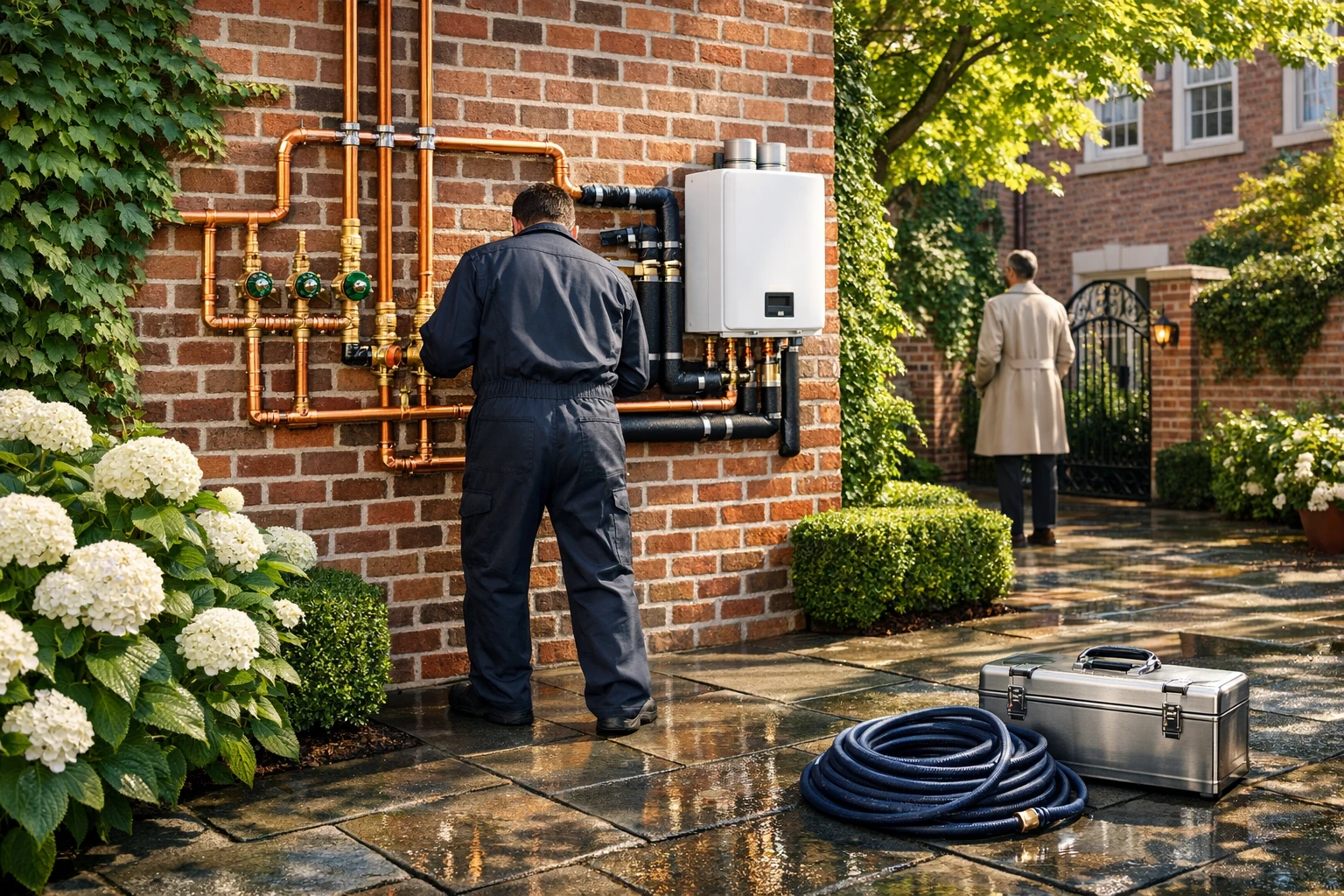
How to Choose a Plumbing Company
Introduction and Article Outline
A burst pipe, a silent leak, or a water heater that quits on a cold morning can turn a normal day into a rushed search for help. That is why choosing a plumbing company deserves more thought than scrolling to the first number on a screen. The right team brings skill, safety, and clear communication, while the wrong one can leave behind repeat visits, rising costs, and damage hidden behind walls. A careful choice protects both your property and your peace of mind.
Plumbing sits behind the scenes until something goes wrong, and then it suddenly becomes the most important system in the building. A good plumber does far more than tighten a fitting or replace a faucet. Plumbing work affects water quality, sanitation, structural materials, energy use, and even insurance claims when damage spreads. In homes, poor plumbing can lead to mold, damaged flooring, warped cabinets, and unnecessary utility costs. In commercial spaces, the stakes can be even higher because service interruptions affect staff, customers, and compliance.
Many people choose a plumbing company in the middle of a stressful moment, which makes it easy to overlook warning signs. Fast promises, vague pricing, and a polished advertisement are not the same thing as proven expertise. A reliable company should be able to explain the problem, describe the repair path, provide a clear estimate, and show evidence of proper licensing and insurance where required. Professionalism is not a luxury in this field. It is part of risk management.
Here is the outline of this article:
- What plumbers do and why company quality matters beyond basic repairs.
- How to evaluate licensing, insurance, experience, and service specialization.
- How to compare reviews, estimates, pricing models, and warranties.
- Which questions to ask before hiring and which red flags should stop you.
- A practical conclusion for homeowners, landlords, and small business decision-makers.
Think of the process like choosing the person who will operate behind your walls and beneath your floors. You may not see most of the work once the visit is over, but you will live with the result for years. The sections ahead are designed to help you make that choice with more confidence and fewer surprises.
What a Professional Plumbing Company Actually Does
Before comparing companies, it helps to understand what a professional plumbing company is expected to handle. The word plumber often makes people think of dripping taps and clogged drains, but the field is broader than that. A qualified plumbing company may install and repair water supply lines, drain and waste systems, water heaters, sump pumps, shutoff valves, toilets, fixtures, gas lines where legally permitted, and sometimes parts of heating systems depending on local regulations and licensing. Some companies focus on residential service, others on commercial work, and some maintain crews for renovations, new construction, or emergency response.
This matters because the best company for one job may not be the best fit for another. A small family-run service may be excellent for household repairs and yearly maintenance, while a larger firm may be better equipped for major repiping, trench work, or multi-unit property management. If you need emergency service at night, staffing and dispatch capability become important. If you need a bathroom remodel, coordination with other trades and permit experience may matter more than rapid dispatch.
There is also a quality difference between simply restoring function and solving the root problem. For example, a drain can be cleared temporarily without addressing recurring buildup, pipe slope issues, root intrusion, or aging lines. A water heater can be replaced without examining venting, pressure, expansion control, or code updates. The better plumbing companies think one step beyond the immediate symptom. They do not merely stop the drip; they investigate why it started.
When evaluating a company, consider whether it offers the services your property may need over time. A company with a wider skill set may become a useful long-term partner. That does not mean bigger is always better. It means alignment is better.
- Routine repairs: leaks, clogs, running toilets, dripping faucets.
- System upgrades: fixture replacement, water heater installation, repiping.
- Diagnostic work: camera inspections, leak detection, pressure issues.
- Emergency response: burst pipes, sewage backups, major water loss.
- Preventive maintenance: flushing heaters, checking valves, inspecting visible lines.
In practical terms, plumbing is one of those trades where hidden workmanship matters as much as visible results. A shiny new fixture can still be poorly installed. A clean invoice can still hide weak diagnosis. When you choose a plumbing company, you are really choosing judgment, process, and accountability. That is why the company itself matters just as much as the person holding the wrench.
How to Evaluate Licensing, Insurance, Experience, and Reputation
Once you know what kind of help you need, the next step is verifying whether a company is qualified to do the work properly. Licensing rules differ by city, state, and country, so the exact requirements vary. Still, the principle is simple: plumbing should be performed by people who meet local legal standards for the tasks they carry out. A trustworthy company should have no trouble explaining its licensing status and whether permits may be required for your project. If the answer feels evasive, take that as useful information.
Insurance is equally important. Even skilled professionals can face accidents, material defects, or unexpected damage during a job. A properly insured company helps protect both its workers and the property owner. Ask whether the company carries liability coverage and, where applicable, workers' compensation coverage. This is not an awkward question. It is a standard business question, especially when someone will be working inside your home or building.
Experience should also be examined with some nuance. A company that has been in business for twenty years is not automatically better than one that has been operating for five. What matters is relevant experience. Have they handled slab leaks, sewer line issues, old galvanized pipe, tankless water heaters, or the type of property you own? A plumber who knows modern systems well may not be the best fit for an older house with outdated materials and unusual layouts. Likewise, commercial plumbing experience is different from residential service in both scale and complexity.
Reputation deserves a balanced reading. Online reviews can be useful, but they should be read like clues, not absolute verdicts. Look for patterns rather than isolated praise or anger. If several customers mention punctuality, clear explanations, tidy work, or consistent overcharging, those repeated themes are informative. Also notice how the company responds to criticism. A calm, practical response to a complaint often says more than a dozen perfect ratings.
- Check whether the company serves your exact area and property type.
- Verify licensing or registration if your jurisdiction requires it.
- Ask about liability insurance and worker protection coverage.
- Look for reviews that mention communication, cleanup, and follow-through.
- Request examples of similar jobs, especially for larger repairs or installations.
You can also ask for references when the job is substantial. That is especially sensible for repiping, sewer replacements, remodels, or high-value installations. A strong company usually has a track record it can discuss without drama. In the end, reputation is not just about popularity. It is about trust built through evidence. Good plumbing companies do not rely only on slogans. They can point to process, training, documentation, and past results.
Comparing Estimates, Pricing Models, and Warranties Without Guesswork
Price is often the loudest factor in a hiring decision, but it should never be the only one. Plumbing estimates can vary for legitimate reasons, including labor rates, the quality of materials, local market conditions, complexity of access, warranty terms, and how thoroughly the company investigates the issue before quoting. That is why the lowest bid is not always the least expensive outcome. A cheap repair that fails after a few weeks can become far more costly than a well-executed repair done once.
Start by asking what the estimate actually includes. Is it a diagnostic fee only, or a full repair quote? Are parts, labor, disposal, permit costs, and taxes included? Is the price fixed, or can it change if hidden conditions are found? A clear estimate should explain the scope of work in plain language. If a company cannot describe what it plans to do, how long it may take, and what variables could affect the final bill, you are not comparing offers on equal terms.
There are several common pricing models in plumbing service. Some companies use flat-rate pricing for standard tasks, which can make budgeting easier. Others bill by time and materials, which may be reasonable for diagnostic or unpredictable jobs. Neither model is inherently better. What matters is transparency. You should know how charges are calculated before work begins. Emergency rates, weekend surcharges, and after-hours fees should also be discussed upfront.
Warranties deserve more attention than they often receive. A workmanship warranty covers the company’s labor for a stated period, while manufacturer warranties apply to products or components. A good warranty is useful only if it is clearly explained and realistically supported by the company’s business practices. Ask what is covered, what is excluded, and what happens if a problem returns. Keep in mind that a generous-sounding promise means little if the company is hard to reach later.
- Request written estimates whenever possible.
- Compare material quality, not just labor totals.
- Ask whether diagnostic fees are credited toward repairs.
- Clarify emergency surcharges before approving urgent work.
- Read warranty details for both labor and installed products.
Here is a useful comparison mindset: do not ask only, “Which company is cheaper?” Ask, “Which company explains the job most clearly, prices it most honestly, and stands behind the result?” Imagine two plumbers looking at the same leak. One gives a quick number with few details. The other explains likely causes, outlines options, and documents the estimate. Even before the work starts, you are already seeing a difference in professionalism. Pricing is part of value, but clarity is part of value too, and confusion is often expensive.
Questions to Ask, Red Flags to Notice, and a Conclusion for Smart Hiring
By the time you narrow your list, the final decision often comes down to conversation. The right questions can reveal whether a company is organized, honest, and prepared. You do not need to interview a plumber like a courtroom witness, but you should ask enough to understand how they work. A reliable company usually welcomes informed customers because clear expectations prevent disputes later.
Useful questions include:
- What is your experience with this exact type of problem?
- Will you inspect for the root cause or only fix the visible symptom?
- Do you provide a written estimate before work starts?
- Who will perform the work, and are they employees or subcontractors?
- What warranty do you offer on labor and installed parts?
- What could increase the final price, and how would you communicate that?
- Will permits or inspections be needed for this job?
Now consider the red flags. Be cautious if a company avoids written documentation, pressures you into immediate approval without explanation, refuses to discuss insurance, or offers a price that sounds unrealistically low compared with others. Be equally careful with companies that rely on fear. Statements designed to panic you into expensive work should prompt a pause, not a signature. Skilled plumbers can explain urgency without theatrical alarm. Another warning sign is poor communication before the job even begins. If calls go unanswered, arrival windows are vague, or details keep changing, those issues may continue once your money is involved.
It also helps to think beyond the single appointment. Are you hiring someone for a one-time emergency, or are you looking for a company you can call again for maintenance and future repairs? Many property owners benefit from building a relationship with one dependable plumbing company over time. Familiarity with your building’s layout, prior repairs, and recurring issues can lead to faster diagnosis and better long-term recommendations.
Conclusion: Choosing With Confidence
If you are a homeowner, landlord, or small business operator, the best plumbing company is not simply the one with the flashiest ad or the fastest promise. It is the one that matches your needs, communicates clearly, shows proof of professionalism, and prices work in a way you can understand. A smart decision usually comes from comparing credentials, reputation, scope, and warranty support together rather than chasing one appealing number. Plumbing problems often arrive like uninvited weather, but your response does not have to be rushed or random. With a short checklist, a few direct questions, and a willingness to verify the basics, you can choose a company that solves the problem well and earns your trust for the next one.