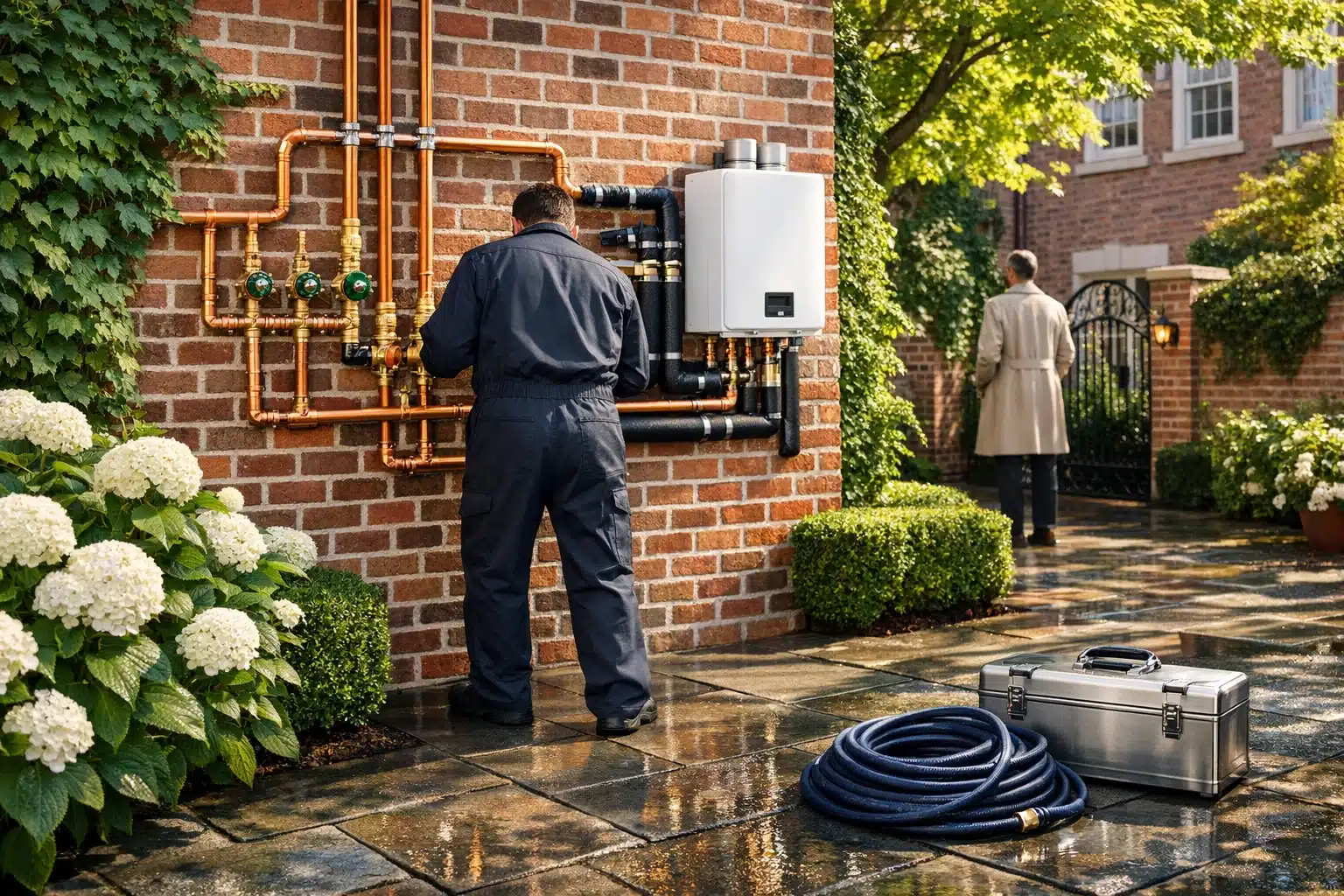
HVAC Company Services: A Guide to Heating and Cooling Solutions
Article Outline and Why HVAC Matters
Heating and cooling sit quietly in the background of daily life until a furnace stalls on a freezing morning or an air conditioner gives up during a heat wave. HVAC systems do far more than control temperature; they influence air quality, humidity, operating costs, and the overall feel of a home or workplace. This guide explores how HVAC works, what an HVAC company actually provides, and how to judge services, pricing, and performance without guesswork. If you want clearer choices and fewer expensive surprises, this article will walk you through the essentials.
Before getting into technical details, it helps to set a simple roadmap. HVAC stands for heating, ventilation, and air conditioning, but the phrase covers more than machines tucked into closets, basements, rooftops, or mechanical rooms. It includes airflow design, filtration, moisture control, thermostat communication, duct performance, energy efficiency, and ongoing service. In practical terms, HVAC is the comfort engine of a property. When it is designed well, people barely notice it. When it is neglected or poorly installed, every room seems to argue with the thermostat.
The article follows this outline:
- The basic structure of HVAC systems and how heating, cooling, and ventilation work together.
- The main services offered by an HVAC company, from installation to maintenance and emergency repairs.
- The criteria that separate a dependable contractor from one that only looks convincing on paper.
- The role of efficiency, indoor air quality, and modern upgrades in long-term performance.
- Final guidance for homeowners, landlords, business operators, and facility managers.
The relevance of the topic is easy to see. Heating and cooling are often among the largest energy expenses in a building, and comfort complaints can affect sleep, productivity, tenant satisfaction, and equipment wear. A house that feels clammy in summer or dry in winter is not just mildly inconvenient; it may signal duct leaks, sizing problems, poor ventilation, or aging hardware. Likewise, a business with uneven temperatures may struggle with employee comfort, customer experience, or product protection. Whether the setting is a family home, a retail shop, an office suite, or a light industrial site, understanding HVAC gives owners and occupants more control over cost, comfort, and reliability.
How HVAC Systems Work: Heating, Cooling, Ventilation, and Control
At its core, an HVAC system moves heat, manages air, and maintains indoor conditions within a comfortable range. The heating side may rely on a furnace, boiler, electric resistance equipment, or a heat pump. Furnaces typically heat air directly and send it through ducts, while boilers heat water for radiators, baseboards, or in-floor systems. Heat pumps work differently: instead of generating heat in the traditional sense, they transfer it. That makes them especially attractive in many climates because the same system can often provide both heating and cooling.
Cooling systems use refrigeration principles to remove heat from indoor air. In a central air conditioner, warm indoor air passes over an evaporator coil, where heat is absorbed and carried outside through refrigerant lines to a condenser unit. Ductless mini-split systems achieve a similar result but without large duct networks, making them useful for additions, older homes, bonus rooms, and spaces with zoning challenges. In commercial properties, rooftop packaged units often combine heating and cooling functions in one cabinet, simplifying access and saving interior space.
Ventilation is the part many people underestimate. A building that is tightly sealed can be energy efficient, but it may also trap pollutants, odors, and excess moisture if fresh air exchange is inadequate. Mechanical ventilation systems, exhaust fans, energy recovery ventilators, and properly balanced air handling help remove stale air and introduce outside air in a controlled way. That matters because comfort is not just about thermometer readings. A room at the “right” temperature can still feel unpleasant if humidity is high, airflow is weak, or filtration is poor.
Controls tie the whole system together. Thermostats, zoning dampers, sensors, and smart scheduling tools tell equipment when to run, for how long, and in which areas. Today, efficiency ratings such as AFUE for furnaces and SEER2 or HSPF2 for cooling and heat pump performance give buyers a clearer way to compare options, though those numbers should never be viewed in isolation. Installation quality, duct design, insulation, and local climate can influence real-world results as much as the equipment label.
- Heating provides warmth and often affects humidity and airflow patterns.
- Cooling removes heat and usually helps reduce indoor moisture.
- Ventilation refreshes air and supports healthier indoor conditions.
- Controls manage timing, zoning, and efficiency.
Think of HVAC as an orchestra rather than a solo instrument. The furnace, air conditioner, fan, filter, ductwork, and thermostat all need to stay in rhythm. If one part performs poorly, the whole building notices.
What an HVAC Company Actually Does
An HVAC company is not simply a repair service that appears when the air conditioner stops working. A capable provider handles system design, equipment selection, installation, testing, maintenance, diagnostics, safety checks, airflow improvement, and often indoor air quality solutions. Some companies focus mainly on residential work, others on commercial systems, and larger firms may cover both. The best ones do not treat HVAC like a box-swapping exercise. They evaluate how the building behaves, how occupants use the space, and what level of performance makes sense for the budget.
Installation is one of the most important services because even premium equipment can disappoint if it is poorly sized or improperly configured. Reputable contractors often perform load calculations to estimate how much heating and cooling a building actually needs. Oversized systems can short cycle, create uneven temperatures, and wear out sooner. Undersized systems may run constantly and still fail to keep up. Good installers also inspect duct condition, refrigerant line setup, drainage, electrical connections, combustion safety, and thermostat compatibility. In commercial settings, they may review ventilation rates, control sequences, and rooftop access requirements.
Repair work goes beyond replacing a failed part. Skilled technicians diagnose root causes. A frozen evaporator coil may result from low airflow, a refrigerant issue, a dirty filter, or a blower problem. A furnace shutdown could stem from ignition trouble, sensor contamination, venting defects, or a control board failure. Good service involves measurement, not guesswork. Static pressure, temperature split, voltage, amperage, refrigerant charge, and combustion readings often tell a more accurate story than symptoms alone.
Maintenance is where HVAC companies quietly save customers the most trouble. Regular tune-ups help catch worn capacitors, clogged drains, dirty burners, weak motors, loose electrical connections, and failing contactors before they become urgent outages. Many companies offer planned service agreements that include seasonal inspections, filter checks, priority scheduling, and discounted repairs.
- Common HVAC company services include new system installation.
- Preventive maintenance plans keep equipment cleaner and more dependable.
- Emergency repair visits address breakdowns during extreme weather.
- Indoor air quality services may include filtration, humidification, dehumidification, and ventilation upgrades.
- Duct sealing and airflow balancing improve consistency from room to room.
The strongest HVAC companies also communicate clearly. They explain options, distinguish urgent problems from optional improvements, and document what they found. In a field filled with hidden components and technical language, honest explanation is part of the service itself.
How to Choose the Right HVAC Company
Selecting an HVAC company can feel a bit like hiring a mechanic for a machine that lives inside your walls and ceiling. Most people do not see the equipment every day, and that makes trust, transparency, and technical competence essential. A polished website and a low quote may look attractive, but they should never be the only deciding factors. The right contractor combines credentials, process, and communication in a way that makes future service easier rather than more confusing.
Start with the basics: licensing where required, liability insurance, technician training, and a stable local presence. Then look at how the company handles estimates. A serious contractor usually asks questions about comfort problems, building age, insulation, existing ductwork, utility costs, and system history. For replacement jobs, they should inspect more than the old nameplate. If the recommendation appears within minutes and the solution is simply “same size as before,” that is a reason to pause. Buildings change over time, and older systems are not always sized correctly to begin with.
Written proposals matter. A strong estimate should identify equipment model details, scope of work, labor expectations, warranty terms, permit responsibility, and any duct or electrical modifications. It should also clarify what is excluded. This prevents the classic surprise in which the initial number looked fine, but essential parts of the job were never included. Comparing bids becomes easier when each one is itemized and specific.
It also helps to judge the company by the questions it asks. Contractors who care about results often discuss airflow, filtration, humidity, noise, zoning, and maintenance access. Contractors who only push a brand name may be treating the system like a commodity. Brand matters, but installation quality often matters more in everyday comfort and longevity.
- Check whether the company offers detailed, written estimates.
- Ask about emergency availability and response times during peak seasons.
- Review maintenance plan terms instead of assuming they all include the same services.
- Read customer feedback for patterns, not just star ratings.
- Confirm warranty coverage for both equipment and workmanship.
Price should be evaluated in context. The cheapest bid may exclude duct corrections, permits, startup testing, or proper commissioning. The highest bid is not automatically the wisest choice either. The best value often comes from a contractor who explains options clearly, documents the work carefully, and shows a repeatable process from estimate to final walkthrough. In HVAC, confidence comes less from slogans and more from details.
Efficiency, Upgrades, and Final Advice for Property Owners
Once an HVAC system is installed, the next challenge is keeping it effective over the long run. Efficiency is not a single purchase; it is the result of equipment quality, upkeep, airflow, insulation, control strategy, and occupant habits. A well-maintained mid-range system can outperform a neglected premium unit. That is why sensible maintenance and targeted upgrades often deliver more value than chasing the most expensive model on the market.
One of the simplest improvements is consistent filter replacement using the correct filter type for the system. A heavily restrictive filter in a system not designed for it can reduce airflow, increase strain, and undermine comfort. Smart thermostats can also help by refining schedules, reducing unnecessary runtime, and providing usage visibility, though they work best when paired with good system design. Duct sealing is another high-impact measure, especially in homes with hot attics, crawlspaces, or older branch lines. Leaky ducts can waste conditioned air before it ever reaches the room that needs it.
Indoor air quality has become a bigger priority for many property owners, and for good reason. Modern HVAC upgrades may include better filtration, dedicated dehumidifiers, humidifiers for dry winter climates, ventilators for improved fresh-air exchange, or UV components in specific applications. Not every home or building needs every option, but thoughtful additions can make a noticeable difference in comfort and system cleanliness. For instance, maintaining balanced humidity often helps a space feel better at a wider range of temperatures, which can support lower energy use without sacrificing comfort.
For those planning replacements, current trends are worth watching. Heat pumps are gaining attention because they can offer efficient electric heating and cooling in one platform. Variable-speed blowers and inverter-driven compressors improve temperature stability and reduce the abrupt on-off feel associated with older single-stage equipment. In commercial settings, building controls and monitoring tools are becoming more useful for spotting faults early and managing energy consumption across multiple zones.
As a general rule, owners should think in terms of life cycle cost, not just purchase price. A system that is easier to service, properly sized, and professionally commissioned often provides a better return through lower utility bills, fewer emergency calls, and steadier comfort. If your current system is aging, noisy, inconsistent, or costly to run, it may be time to compare repair versus replacement with a contractor who can explain both paths honestly.
Final takeaway for the target audience is straightforward. Homeowners should look for comfort, efficiency, and clear communication. Landlords should prioritize reliability, manageable operating costs, and documented service history. Business owners and facility managers should focus on uptime, airflow quality, and long-term planning. In every case, the smartest HVAC decision is rarely the most dramatic one; it is the informed one, made with good data, realistic expectations, and a trustworthy company standing behind the work.